As an APA, approved training site through the consortium program at Nova Southeastern University (NSU), we have the opportunity to train and mentor graduate students, interns, and postdoctoral fellows in the practice of clinical and neuropsychological assessment. This year, I will be taking a more active role in supervising these developing psychologists throughout the evaluation process. By thoughtfully incorporating trainees into aspects of testing and data collection while I oversee all clinical interpretation, diagnostic decision, making, and recommendations, we are able to offer a high, quality evaluation process at a substantially reduced cost. While our standard fees and staff of over 20 diagnosticians remain available and would be preferred if resources are available, at times cost prohibits some families from securing the information that is so desperately needed.
This model increases accessibility for families while maintaining the highest standards of clinical care.
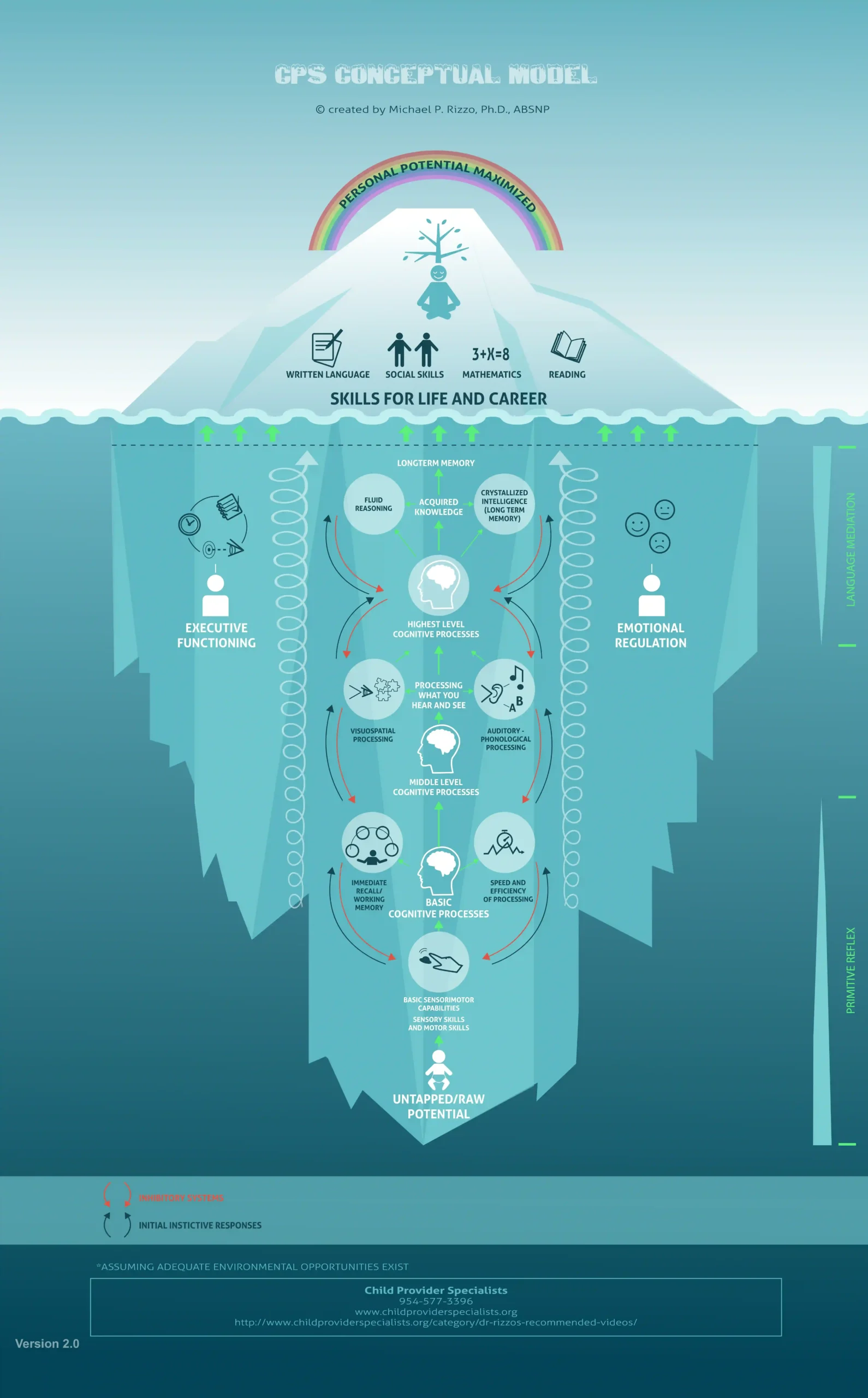
At Child Provider Specialists, an evaluation is far more than a series of tests. It is a thorough and collaborative process designed to uncover how your child learns, develops, interacts with others, and navigates the demands of everyday life. Through relationship, building, clinical rigor, and a compassionate environment, we work to develop a comprehensive understanding of your child’s unique strengths, challenges, and potential.
What Does the Process Entail?
We strive to make the evaluation experience as seamless, supportive, and stress, free as possible for both you and your child. The process includes:
1. In, Depth Intake and Developmental History
We begin by listening to your story. Through interviews and a detailed review of your child’s developmental, educational, medical, and social, emotional history, we seek to understand the factors that have shaped your child’s journey and the concerns that brought your family to us.
2. Individualized Neuropsychological Testing
Your child will participate in approximately 4 to 6 hours of personalized, face, to, face assessment. Testing sessions are designed to be engaging, child, friendly, and responsive to your child’s pace, attention, and energy level.
3. Gathering Collaborative Perspectives
With your permission, we collect information from teachers, tutors, therapists, and other professionals who know your child well. These perspectives provide valuable real, world insight and help ensure that our findings reflect your child’s functioning across settings.
4. Interactive Feedback and Discussion
Once the evaluation is complete, we meet with you to discuss the findings in clear, practical language. This collaborative feedback session provides an opportunity to review results, answer questions, and begin developing a plan for moving forward.
5. Developing a Comprehensive Roadmap
Every child presents with a unique profile of strengths and needs. Together, we translate the evaluation findings into a practical roadmap that may include educational accommodations, targeted interventions, remediation strategies, therapeutic recommendations, and other supports designed to maximize success.
6. Clarifying Areas of Uncertainty
When findings raise additional questions or when diagnostic clarity has not yet been fully achieved, we believe it is our responsibility to continue the process. At no additional cost, supplemental testing may be conducted, followed by additional consultation and planning sessions, until confidence in the findings has been established.
7. Comprehensive Written Report
Once we are confident in our conclusions, families receive a detailed written report. This document serves as both a professional record and a practical guide for schools, tutors, healthcare providers, and other professionals involved in your child’s care.
8. Partnering With Your Child’s School
Receiving test scores and a written report without helping schools understand and implement the findings often has limited value. With your permission, we coordinate meetings with key educational personnel, review the evaluation results, and participate in discussions aimed at translating recommendations into meaningful supports within the school setting. Our goal is to help create a plan that enhances your child’s ability to navigate academic demands successfully.
9. Empowering the Child
For children age 8 and older, we conduct a final individual feedback session designed specifically for them. These conversations help children understand how they learn, recognize their strengths, and develop a positive framework for understanding their challenges. Our goal is to foster hope, confidence, and self, awareness by helping children recognize that they are not defined by a diagnosis. Rather, they simply learn differently and can thrive when equipped with the right tools and strategies.
Our Commitment
Our ultimate goal is not simply to provide a diagnosis. It is to develop a meaningful understanding of your child, create a clear path forward, and ensure that families, schools, and professionals work together to help your child reach their fullest potential. Through collaboration, expertise, and ongoing support, we strive to transform uncertainty into clarity and challenges into opportunities for growth.